![Story|Okamotoya [Official Website] Beppu Myoban Onsen- Experience Milky Blue Hot Spring & Gastronomic Delights](https://www.okamotoya.net/wp/wp-content/themes/okamotoya2025/assets/img/common/logo.svg)

History
Okamotoya- We have been preserving the spirit of Myoban's steam for 150 years
The story of Okamotoya begins in the Edo period. Masatsuna Iwase, the first-generation owner, was sent to Myoban as a mountain magistrate of the Bungo Mori Domain, which governed this area as an outlying territory. Myoban was then a special land rich in sulfur and alum. Masatsuna studied sulfur-based gunpowder techniques in Nagasaki. His expertise was highly valued within the domain, and it was this reputation that led to his appointment as mountain magistrate.
Amid the rising geothermal steam of this rugged land, he recognized its potential and worked to protect it for the future. His efforts became the foundation for the long history that would later continue as Okamotoya.
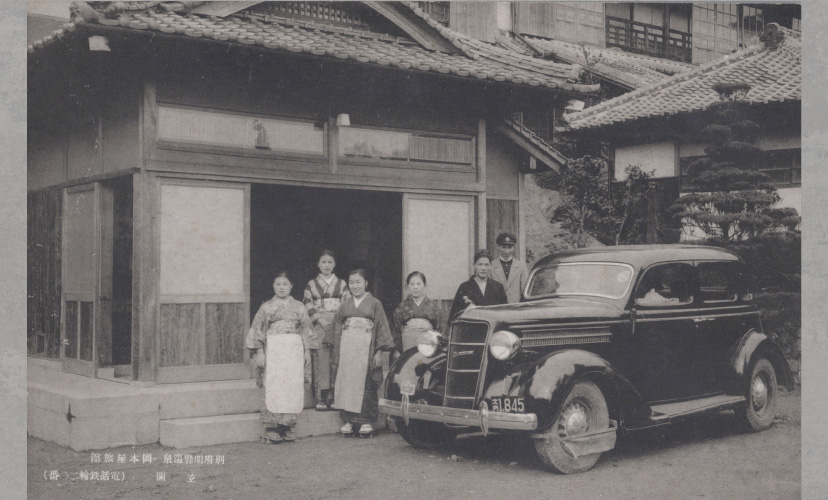
As the shogunate fell and Japan moved into the turbulent Meiji era, the second-generation owner, Yoshitsuna, chose to begin operating an inn while continuing myoban production. Workers and merchants involved in the mineral industry needed lodging, and Beppu as a whole was growing as a center for therapeutic hot-spring stays, making the decision a natural one. This was the beginning of Okamotoya. The name comes from Okamoto in Taketa City, the birthplace of the first head, Masatsuna. It reflects respect for his origins and the land, and carries the wish to preserve that spirit unchanged as the family moved into a new era.
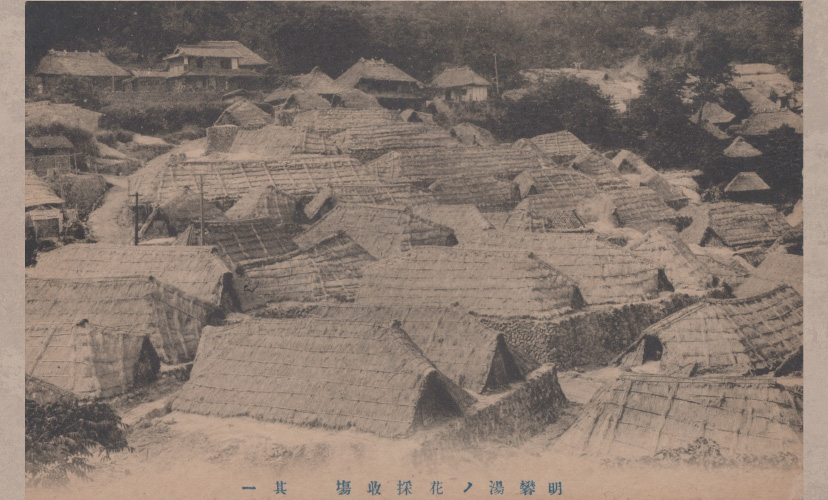
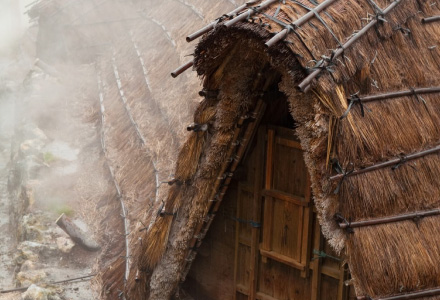
The yunohana huts have long symbolized Myoban, and the white crystals known as Yunohana are found only here. In the era of the third-generation proprietor, Yasuhiko, the alum industry was beginning to decline. He was deeply inspired by the words of the German physician Dr. Baelz, who said these crystals were “not just an industrial material, but the essence of the hot spring.” Believing this to be the key to Myoban’s future, he adopted the name Yunohana, which in Japanese means “flowers of hot water,” and began sending them nationwide as a bath additive. To protect local jobs and preserve the region’s culture, he formed a cooperative and dedicated himself to sustaining their production and distribution.
Over the past 150 years, Okamotoya has overcome many hardships. Even during the wartime years, when daily life was marked by shortages, we continued to welcome wounded soldiers and repatriates, offering comfort as a healing hot-spring inn. As Beppu transformed during Japan’s period of rapid economic growth, we remained committed to the natural landscape of Myoban and to the culture of restorative hot-spring stays, preserving the yunohana huts and the traditions of onsen culture for future generations. What we continue to cherish, even now amid the rising steam, is the quiet healing that gently embraces every guest. The history of Okamotoya is the story of believing in that healing power and carrying it forward.
CHRONICLE
-
Kamakura Period
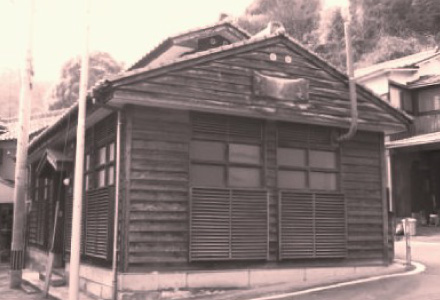
[1278-1288] Lord Otomo Yoriyasu is said to have opened Jizo-yu in Tsurumi Village (now Myoban) by digging a hot-spring pit and enshrining a Jizo statue. A member of the Otomo clan that ruled Bungo, he fought in the Mongol invasions and is believed to have brought wounded soldiers to heal in these waters.
-
Edo Period
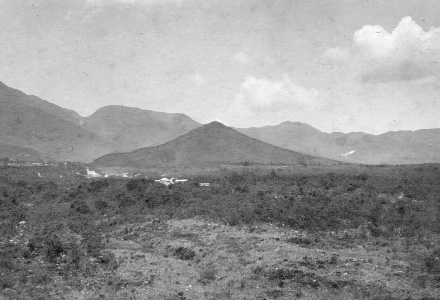
[1601] Kurushima Nagachika, who fought with Toyotomi’s Western Army at Sekigahara, became lord of the Bungo Mori Domain. That same year, southern Tsurumi Village became a Kurushima outpost, while the north remained shogunate land.
-
Date unknown
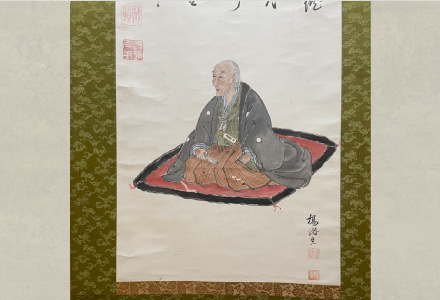
Iwase Masatsuna, later the first-generation proprietor of Okamotoya, is born in the Okamoto area of the Oka Domain (present-day Taketa, Oita).
-
Tenpo Era
Iwase Gonpei (Masatsuna), a retainer of the Bungo Mori Domain, and his adopted heir Nobuyoshi (Yoshitsuna) traveled repeatedly to Nagasaki to learn the technique of hayatsukegi, thin wooden sticks tipped with sulfur similar to modern matches.
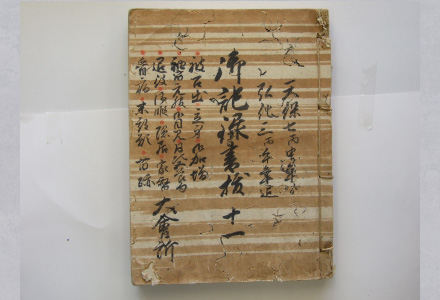
Source- Excerpt from the Bungo Mori Domain Records (4:11) (provided by Kusu Town Educational Committee)
-
1867
The Taisei Hokan is carried out, marking the fall of the Edo shogunate.
-
1871
The Haihan Chiken abolishes the domains, and the land is transferred by the Meiji government.
-
1875
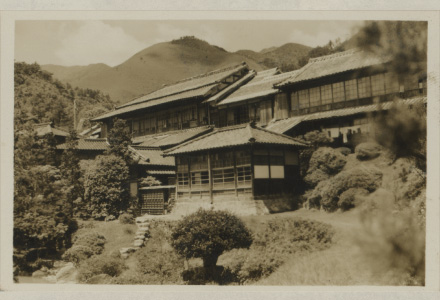
The second-generation owner Yoshitsuna and Masatsuna found Okamotoya and open an inn, naming it after Masatsuna’s birthplace.
-
1884
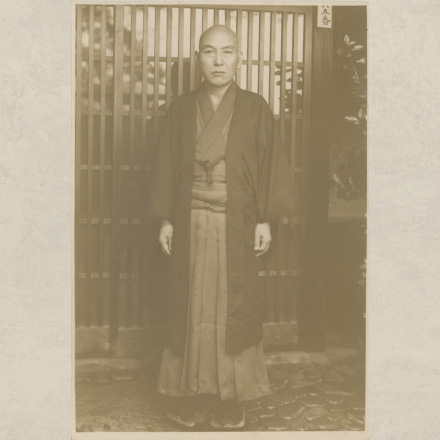
Third-generation Yasuhiko commercializes the white alum crystals, names them “Yunohana,” and begins nationwide sales with local villagers.
-
1899
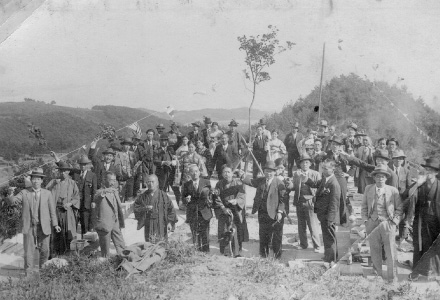
Beppu Port opens, bringing rapid growth in goods and tourism. Beppu develops quickly as a hot-spring destination, and Myoban and Kannawa see a rise in long-stay bathers.
-
1904
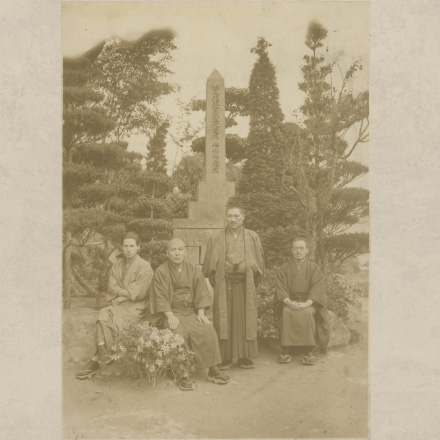
Establishes the Yunohana Cooperative with local villagers. A commemorative monument is later built on the Okamotoya grounds in 1910.
1907
The railway opens along with Beppu Station, connecting Oita and Beppu. Visitor numbers rise sharply and set off a Beppu hot-spring boom.
-
1913
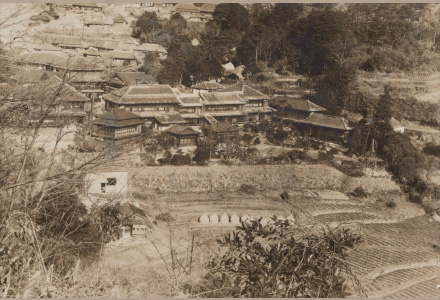
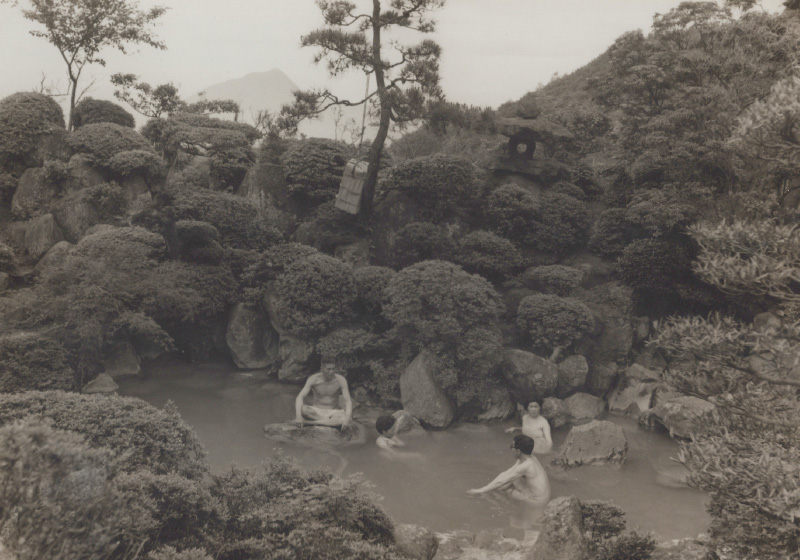
Fourth-generation Seigo renovates the buildings and open-air baths, expanding the inn as a hot-spring lodging.
-
1924
Beppu City is established. Hotels and public baths increase, and the “Jigoku Meguri” sites are developed as tourism expands.
1945
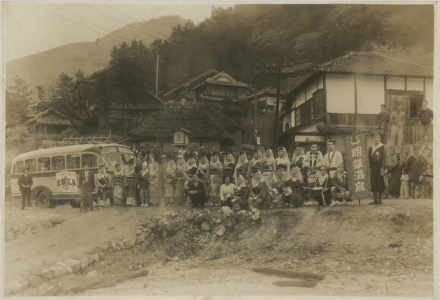
World War II ends. Beppu’s inns and hot-spring lodgings begin postwar recovery.
-
1988
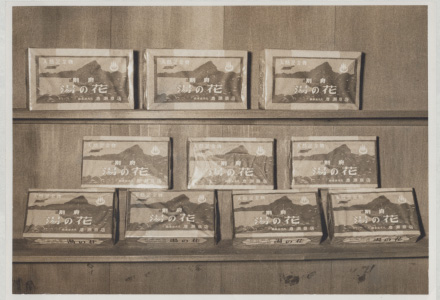
Okamotoya Shop opens to sell Yunohana to visitors. In 1988, the shop also begins selling its original Jigoku-mushi custard pudding, which becomes a popular signature item.
-
2006
The traditional method of producing Yunohana in the yunohana huts is designated a National Important Intangible Folk Cultural Property.
-
2025
Okamotoya marks its 150th anniversary.
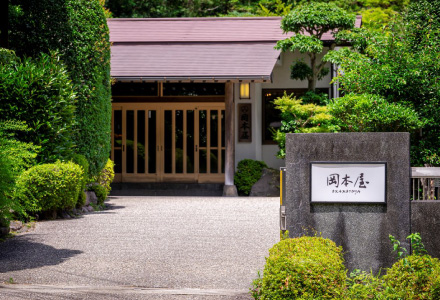
gallery
Okamotoya
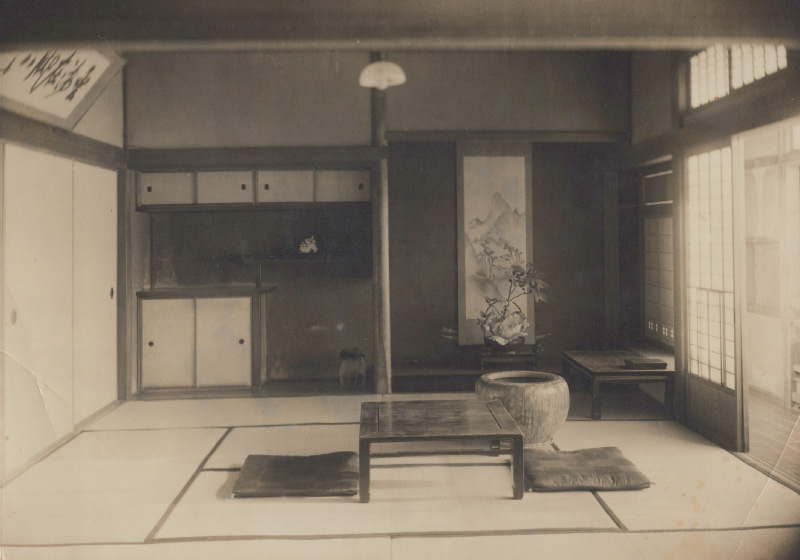
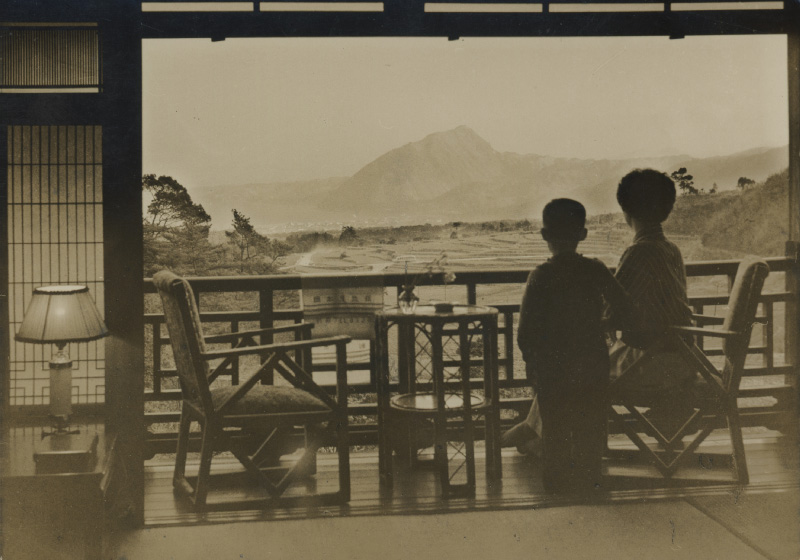
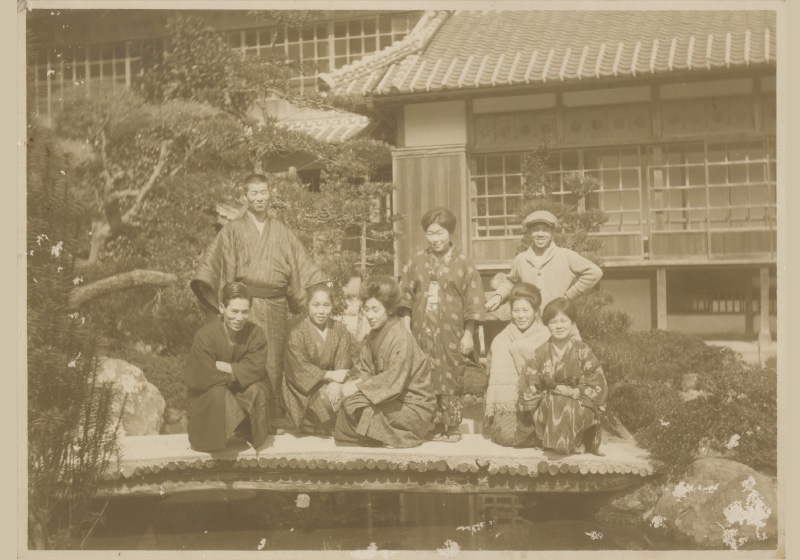
Here you can view rare photographs showing Okamotoya through the years.
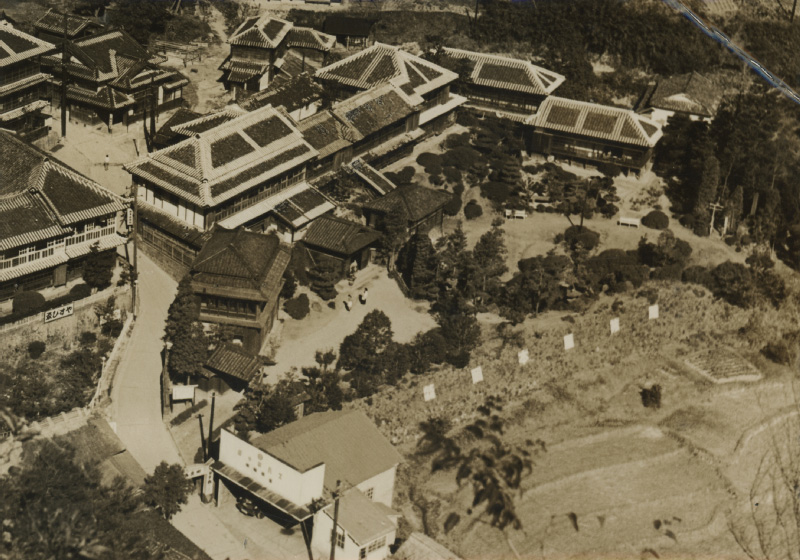
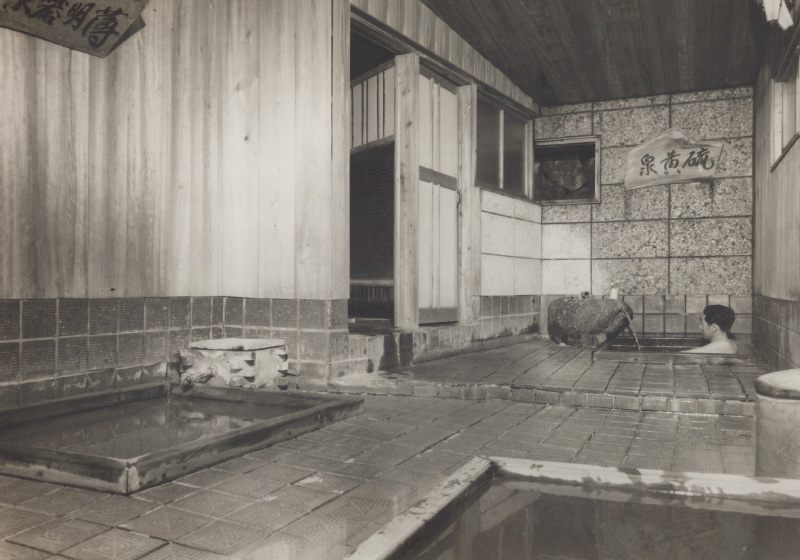
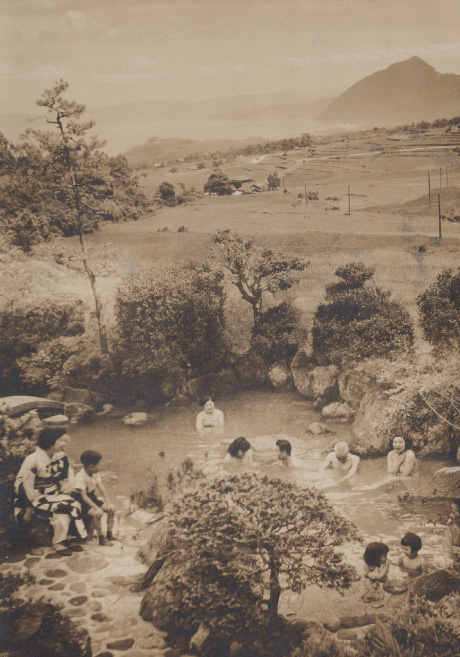
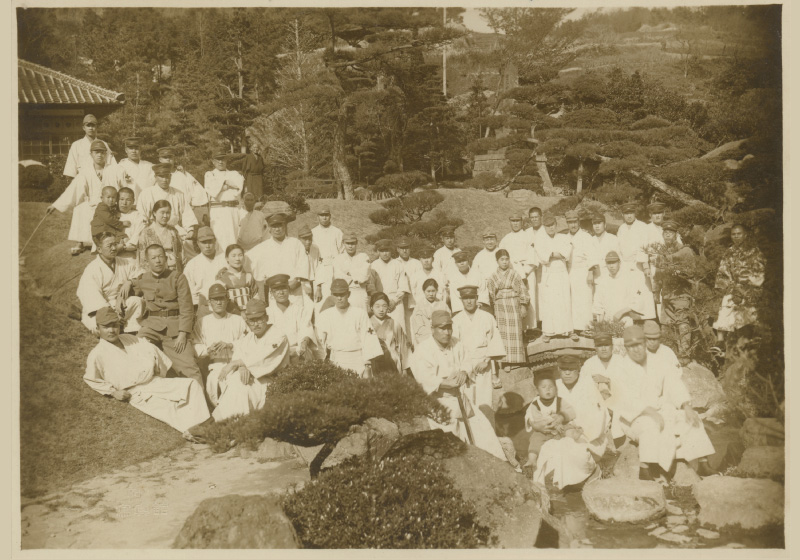
Encounters
Throughout the Meiji, Taisho, and Showa eras, many cultural figures and prominent leaders visited Beppu. Okamotoya, too, welcomed several of these distinguished guests and shared memorable exchanges with them.
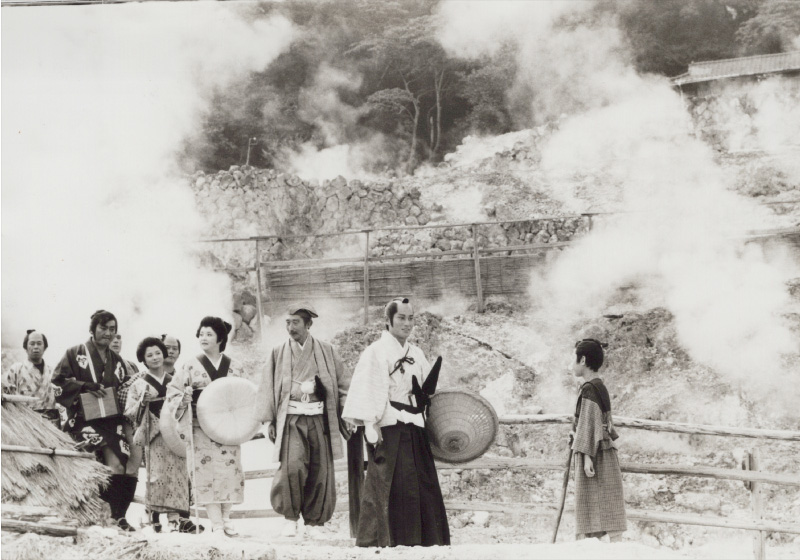
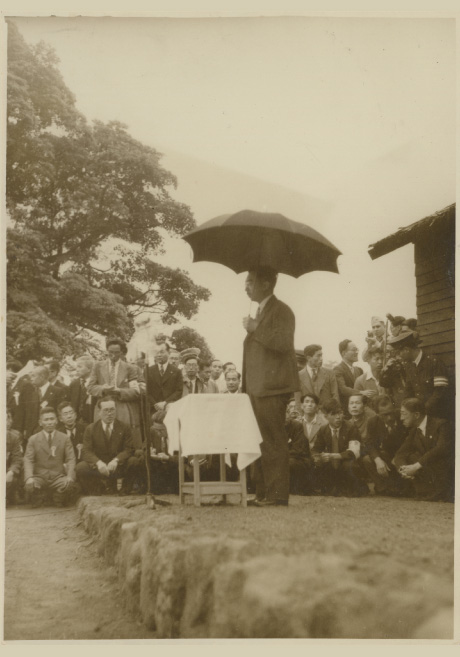
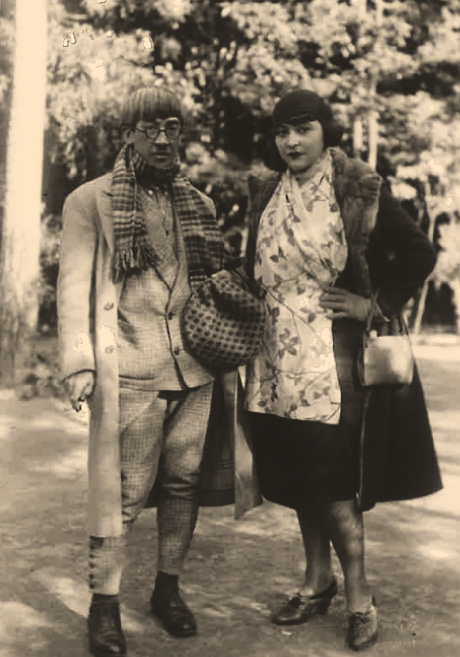
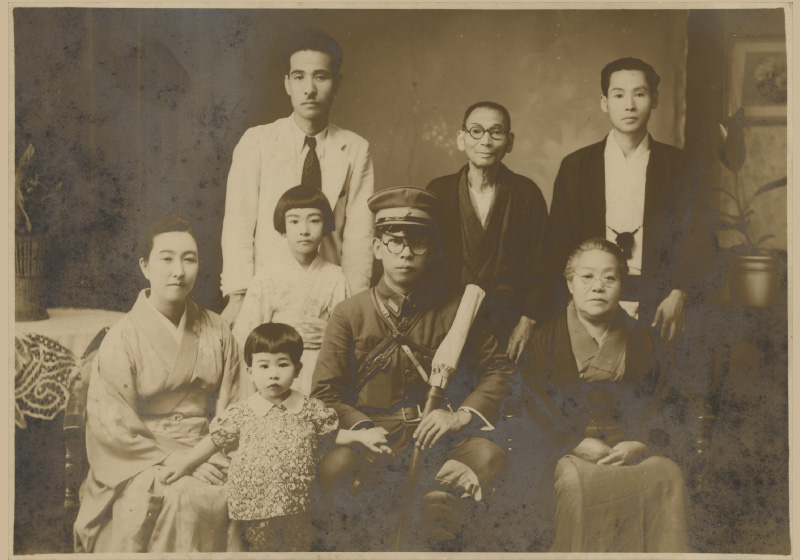
Nostalgic Myoban & Beppu
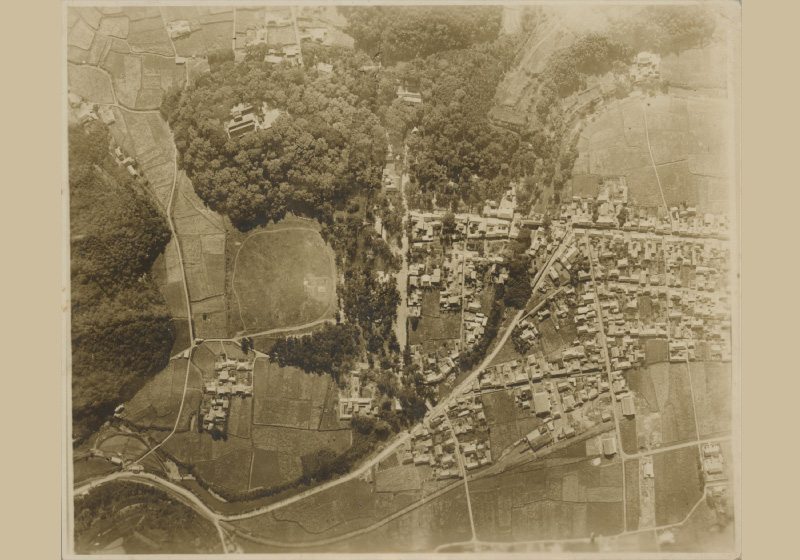
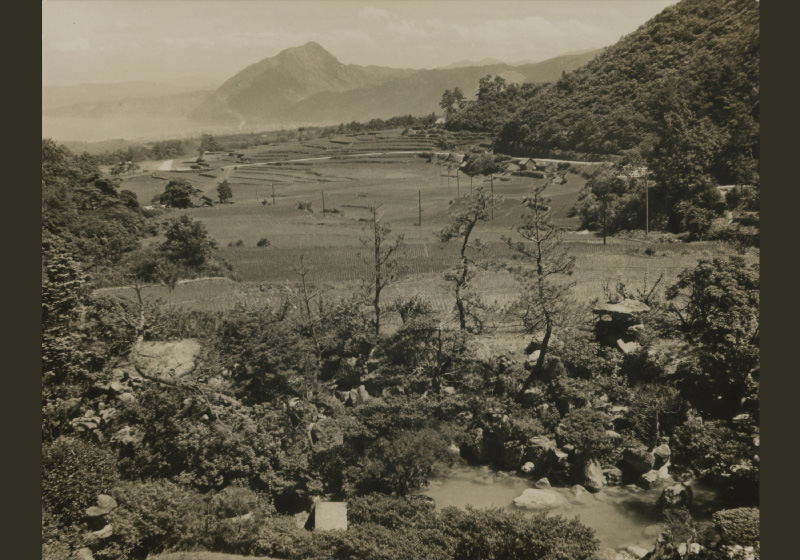
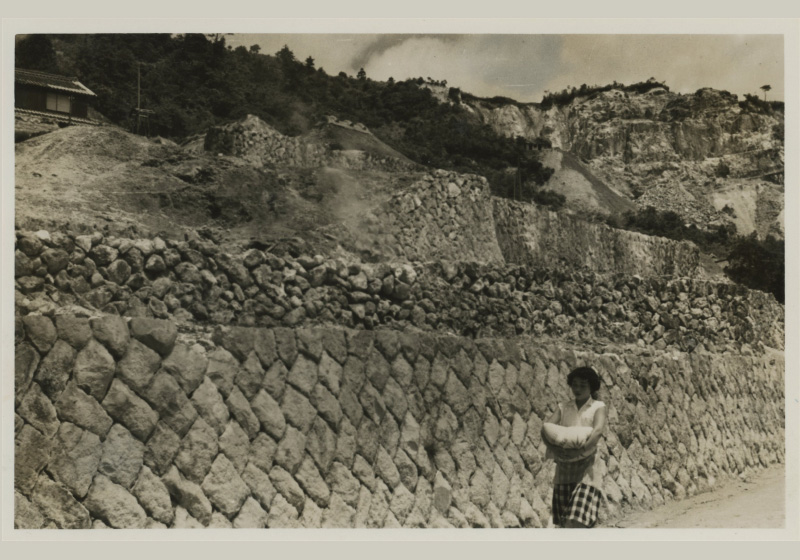
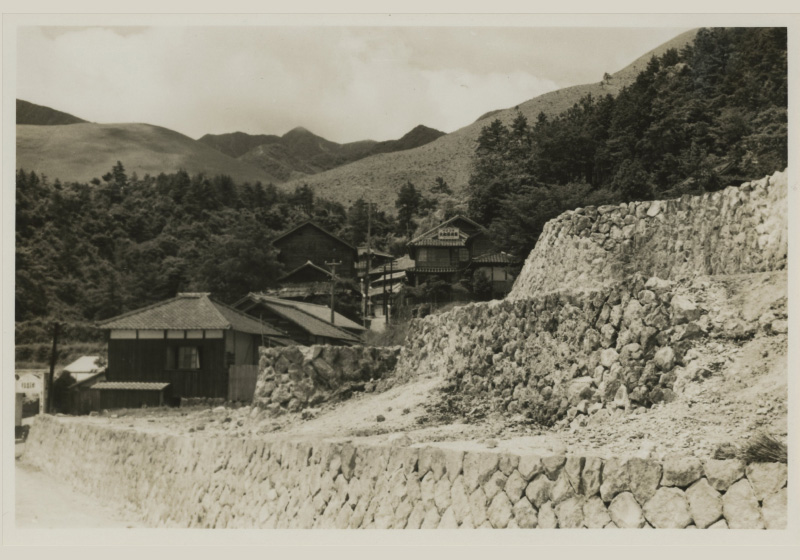
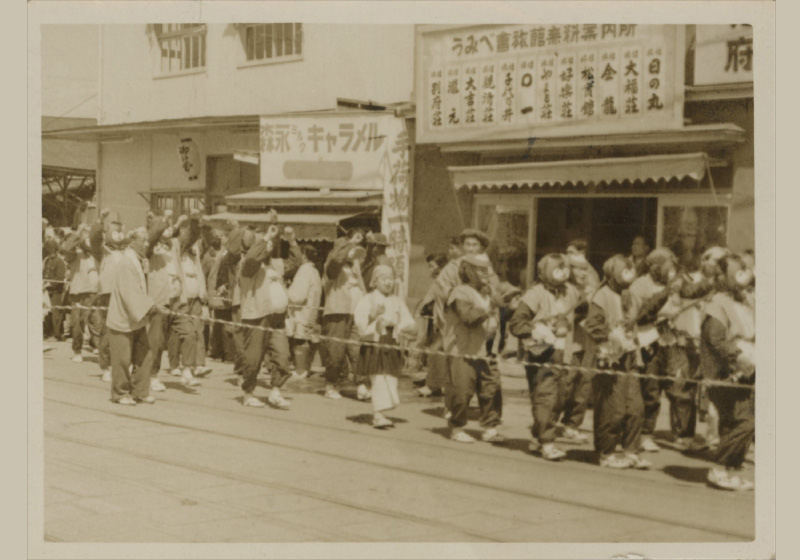
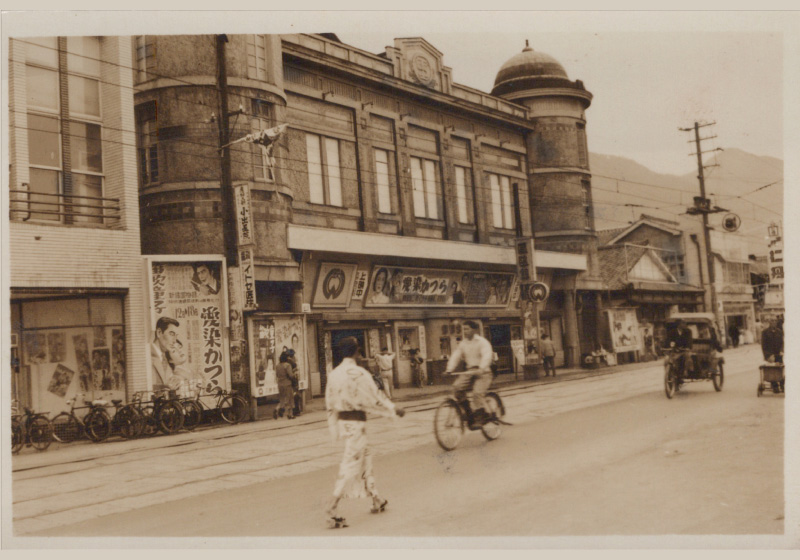
Please enjoy these glimpses of nostalgic Beppu, capturing the landscapes and daily life once wrapped in rising steam.